Inhalation
Air containing approximately 21% oxygen enters through the nose and mouth, traveling down the trachea and into the bronchial tree.
Understanding how oxygen supports cellular processes and energy production at the molecular level.
Oxygen's path through the body involves multiple systems working in coordination.
Air containing approximately 21% oxygen enters through the nose and mouth, traveling down the trachea and into the bronchial tree.
In the alveoli, oxygen diffuses across thin membranes into capillaries while carbon dioxide moves in the opposite direction.
Oxygen molecules bind to hemoglobin proteins in red blood cells, which transport them through the circulatory system.
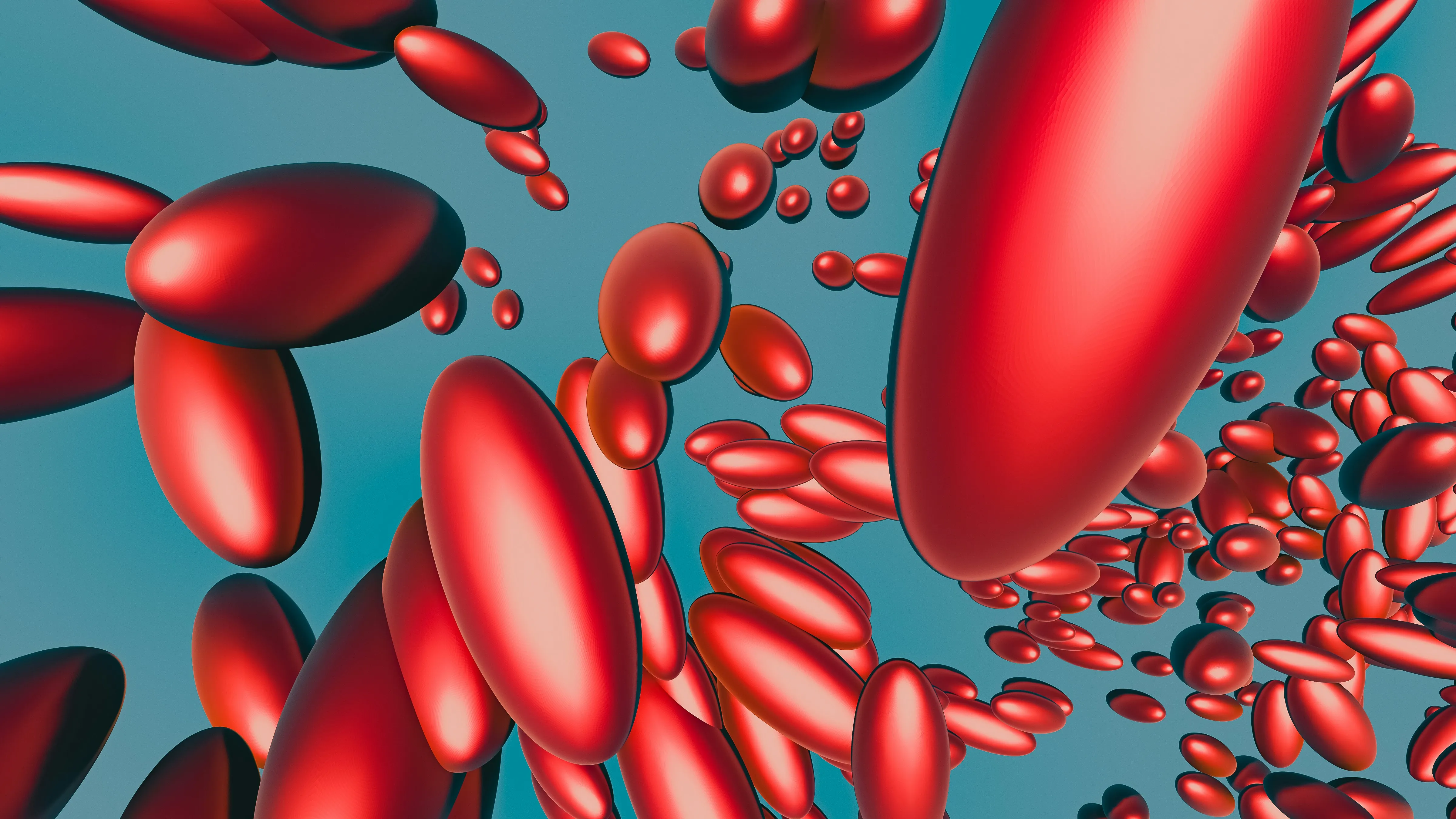
Once bound to hemoglobin, oxygen travels through arteries to capillaries, where it is released to surrounding tissues. Several factors influence this release:
Within cells, oxygen participates in the final stage of aerobic respiration.
Oxygen diffuses from capillaries through interstitial fluid and across cell membranes to reach the mitochondria. This passive process depends on concentration gradients.
In the electron transport chain, oxygen serves as the final electron acceptor. This crucial step allows electrons to flow through the chain, enabling ATP production.
When oxygen accepts electrons and protons, it forms water as a byproduct. This metabolic water contributes to the body's hydration status.
Aerobic respiration with oxygen produces approximately 36-38 ATP molecules per glucose molecule, far more efficient than anaerobic pathways.
Explore how energy metabolism converts nutrients into usable cellular energy.
Study Metabolism